
Ecuador Crypto Build · Thermal Management
Cooling and Thermal Management Solutions in Ecuador
The problem
Heat degrades hardware faster than any other variable
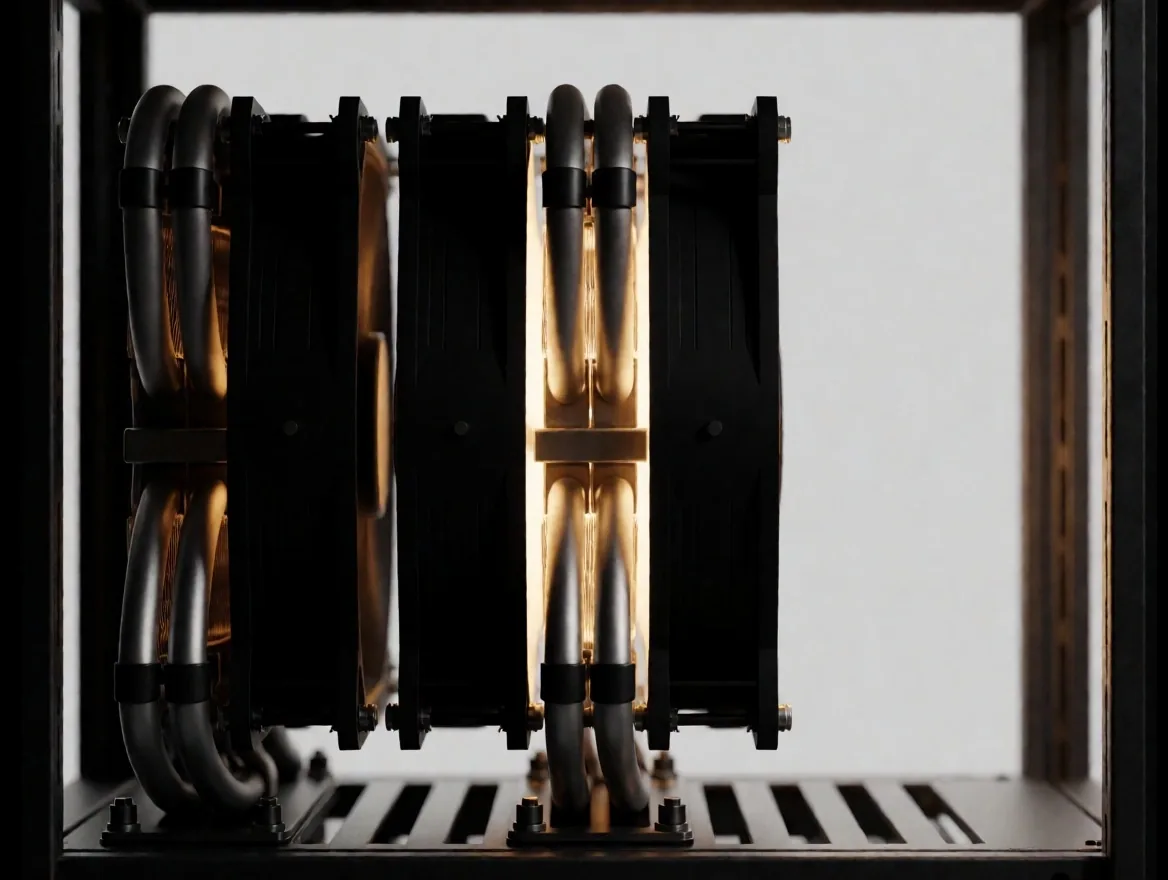
Ambient temperature is the factor that most influences semiconductor degradation and internal GPU fan consumption. In Ecuador, climatic diversity requires customized strategies: from natural ventilation in the inter-Andean valley to industrial extraction systems on the coastal plains.
This section analyzes how to move large volumes of air efficiently to keep your rigs operating in optimal thermal ranges and extend hardware profitability. Ecuadorian geography offers real competitive advantages when airflow is planned with engineering criteria.
Sierra
Temperate climates in Quito and Cuenca allow for natural ventilation with fewer electric extractors.
Coast
High humidity in Guayaquil and Santo Domingo requires industrial filtering and dehumidification.
Oriente
Constant tropical heat requires high-capacity forced extraction and sized ducts.
Fluid dynamics
Cold aisle and hot aisle: the fundamental principle
Hot air is less dense and tends to rise, but in a mining farm, the card fans generate turbulence that can trap heat near the components. The solution is to physically separate the intake flow from the exhaust flow.
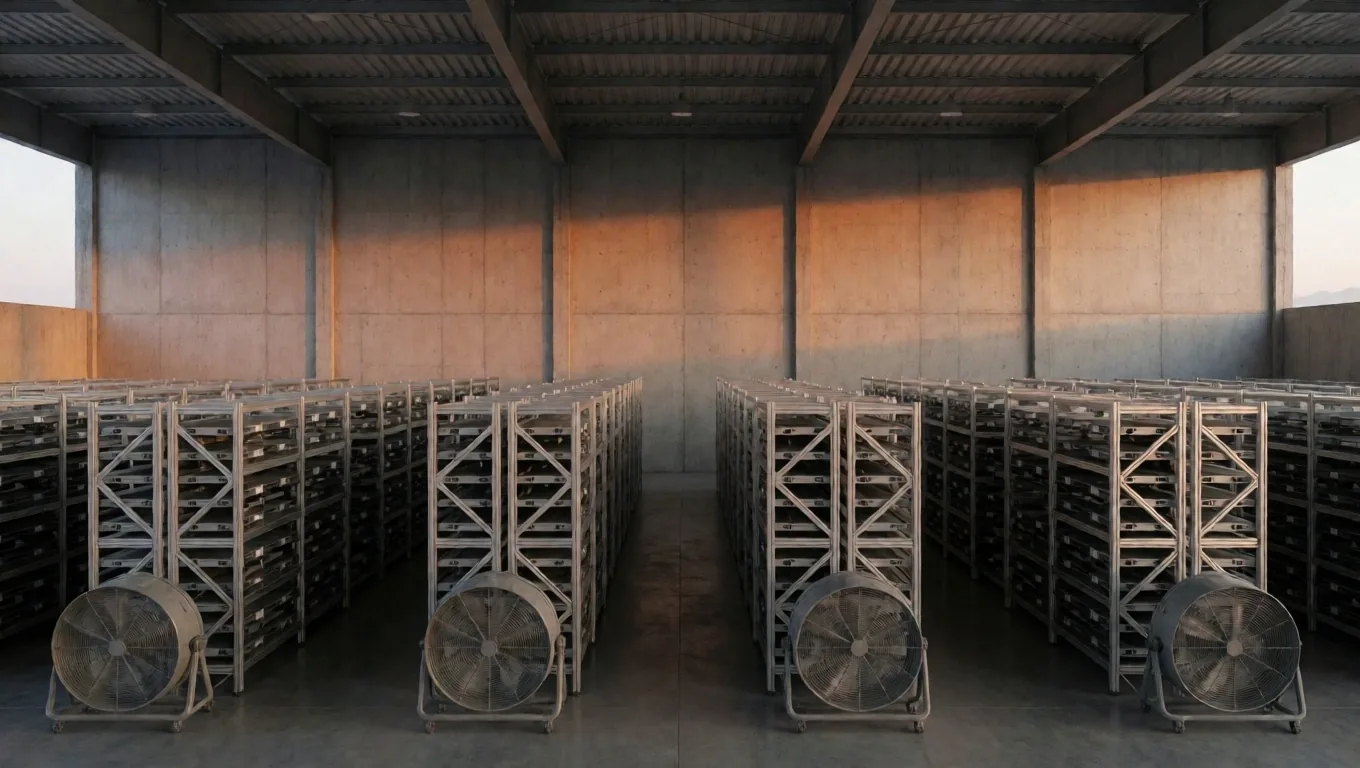
The "cold aisle" and "hot aisle" design forces fresh air intake from one end and extracts stale air from the opposite end. In Ecuador, taking advantage of the prevailing wind direction can significantly reduce the use of additional electric fans.
The physical layout of the racks determines whether the system works or fails. If hot and cold air mix in the same volume, the ambient temperature rises progressively and the internal GPU fans lose the capacity to move heat out of the chassis.
Comparison
Forced ventilation versus air conditioning
The use of air conditioning is generally prohibitive for mining due to its high operating cost, except in very small operations or with extremely sensitive hardware. Forced ventilation using extractors renews the total air in a room in seconds.
Forced ventilation
High-pressure axial or centrifugal extractors that renew the total volume of air in the room in a matter of seconds. They eliminate the heat generated by the rigs before it overheats the environment.
- Cost Low electrical consumption compared to climate control. Long-lasting industrial extractors.
- Maintenance Bearing replacement and blade cleaning at certain intervals. Filtering necessary in coastal areas.
- Scale Suitable for operations of any size, from tens to thousands of cards.
Air conditioning
Traditional climate control systems that cool the air instead of renewing it. Their high electrical consumption makes them unviable for medium or large-scale mining operations.
- Cost High electrical consumption that reduces the operating margin. Only justifiable in small operations.
- Maintenance Refrigerant gas recharge, filter cleaning, and periodic specialized technical service.
- Scale Practical only for small rooms or equipment with high thermal sensitivity.
Components
Humidity, filtering, and industrial extraction ducts
In regions with high humidity like Guayaquil or Santo Domingo, incoming air can carry saline particles or moisture that cause corrosion in electronic circuits. Hardware protection requires several layers of defense.
Humidity management and filtering
The use of industrial-grade air filters and dehumidifiers in closed areas is a necessary protective measure. Keeping equipment turned on constantly helps the hardware's own heat keep moisture away from electronic circuits.
On the Ecuadorian coast, the combination of salinity and humidity accelerates the oxidation of electrical contacts. A rig operating at operating temperature generates its own thermal barrier against condensation.
Duct design and extraction
Installing extraction hoods over mining racks allows heat to be captured directly at the source. This prevents hot air from mixing with the room's fresh air.
Duct sizing must avoid backpressures that reduce extractor performance. A duct that is too narrow creates resistance that forces the extractor to work harder without moving more air.
Integrated GPU fans
Video card fans are not designed to operate at 100% capacity perpetually. Their bearings wear out and replacement is expensive. A good external cooling strategy allows them to operate at moderate speeds of 60–70%, which reduces noise and extends the lifespan of the original fans.
Thermal sensors and remote monitoring
It is not enough to feel the air; the use of temperature and humidity sensors distributed throughout the farm, connected to an alert system, is required. We recommend the integration of smart thermostats that increase extraction speed if the outside temperature rises during midday, ensuring a stable environment 24 hours a day.
Geographic location and thermal advantages
Ecuadorian geography is a competitive tool when choosing a location based on historical climate data. Setting up a farm on the outskirts of Cuenca can represent savings in cooling costs compared to a facility in Durán, due to the annual thermal profile of each zone.
Advanced technology
Liquid immersion: the frontier of cooling
For large-scale operations in extreme climates, dielectric oil immersion cooling is the definitive solution. This technique completely eliminates the need for fans and protects hardware from dust and corrosion.
Although the initial cost is higher, the thermal efficiency and absolute silence make it an option to consider for professional miners in the warmest areas of the country. Submerged cards work at a constant temperature without environmental fluctuations.
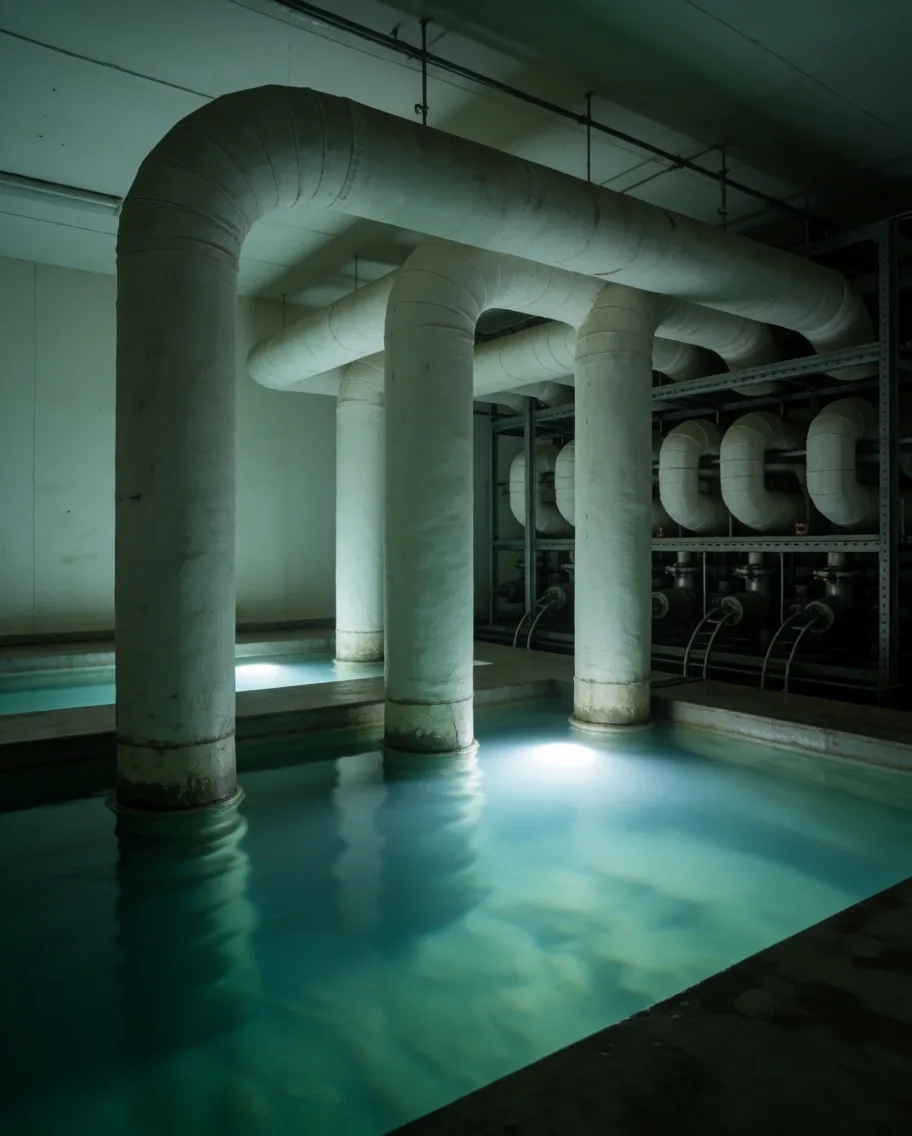
Dielectric oil immersion: the hardware remains sealed from the environment, without fans or exposure to dust or humidity.
Frequently asked questions
Questions about thermal management in mining farms
The questions we receive most frequently from operators in Ecuador.
How many extractors do I need for my farm?
+
It depends on the room volume and the total thermal consumption of the rigs. The general rule is to calculate the room's air volume and size the extractors to renew that volume every 1 to 3 minutes. An engineer can adjust this calculation based on ceiling height, the number of cards, and the region's average outside temperature.
Is liquid immersion viable in Ecuador?
+
It is viable and especially attractive on the coast, where humidity and salinity shorten the lifespan of exposed hardware. The initial cost of the tank, dielectric oil, and circulation pump is high, but it is offset by the elimination of fans, reduced maintenance, and total protection against the environment. For medium-scale operations and up in warm zones, the return on investment is achieved through savings on replacing damaged cards.
What type of air filters should be used on the coast?
+
In areas with high humidity and environmental salinity like Guayaquil or Santo Domingo, industrial-grade air filters with fine particle capture mesh are recommended. These must be cleaned or replaced regularly to prevent salt buildup and reduced airflow. A supplementary dehumidifier is necessary if the farm operates in an enclosed space.
At what speed should GPU fans operate?
+
With a well-sized external cooling system, the internal fans of the cards can operate between 60% and 70% of their capacity. This reduces bearing wear, lowers ambient noise, and extends the lifespan of the original fans, whose replacement is usually expensive and requires disassembling the card.
What temperature sensors are necessary?
+
Temperature and humidity sensors are needed, distributed at different points of the farm: fresh air intake, hot air exhaust, and at least one sensor per rack or group of racks. These must be connected to an alert system that notifies via message or email when readings exceed configured thresholds. Smart thermostats allow extraction speed to increase automatically during the hottest hours of midday.
Resources
Continue building your farm
Thermal management is one piece of the complete system. These pages cover the rest of the construction and operation process for a mining farm in Ecuador.
Hardware and Components
Selection of cards, power supplies, motherboards, and memory for efficient mining rigs.
Explore hardware →Assembly Guide
Step-by-step for assembling mining rigs: structure, wiring, BIOS configuration, and startup.
View assembly →Direct contact
Personalized consultation regarding your mining farm project and the thermal conditions of your area.
Speak with an advisor →Ecuador Crypto Build
Av. de los Shyris N34-40 y República de El Salvador, Edificio Tapia, Quito 170505